Tree names often reveal more than you might think at first glance. They not only provide information about a tree’s appearance or origin, but also tell you something about the landscape in which you live. Once you start paying closer attention to tree names, you’ll begin to see parks, streets, and forests in a new light. You’ll spot connections, recognize species, and gain a better understanding of why certain trees grow in specific places.
In this article, you’ll learn how tree names originated, what they mean, and how you can apply this knowledge in practice. You’ll gain insight into the most common tree species in the Netherlands and discover why knowing tree names is also relevant to your own garden or living environment.
How tree names came to be
From common names to Latin names
Most tree names have a long history. Originally, trees were often named based on their appearance, use, or symbolism. Consider the willow, which is flexible, or the birch, which is known for its white bark. These are examples of tree names that directly reflect recognizable characteristics.
Scientific names were later added, often in Latin. These names for trees provide clarity worldwide. While common names may vary by region, the Latin name remains the same everywhere. This makes communication between growers, landscapers, and researchers much easier.
Nevertheless, the Dutch names for trees remain the most commonly used in everyday life. They are accessible and reflect how you experience trees in your immediate surroundings.
Common names of trees in the Netherlands
Species you encounter every day
If you walk through an average Dutch neighborhood, you’ll soon come across a number of familiar tree names. For example:
- oak
- beech
- maple
- linden
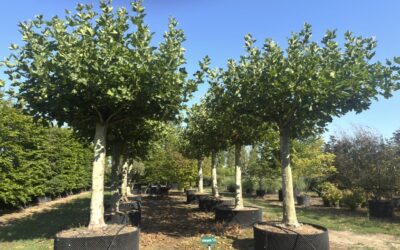
- plane tree
These names of trees have become so familiar that you often recognize them without even thinking about it. Still, it’s interesting to take a closer look. The oak, for example, symbolizes strength and is often planted in places where durability and resilience are important.
The linden tree, on the other hand, is often chosen for avenues and squares because of its shady canopy and friendly appearance. In this way, the names of trees also reveal something about the role they play in their surroundings.
What tree names reveal about the landscape
From clay soil to sandy soil
Tree names often provide indirect information about the soil and climate. In the Netherlands, for example, certain species are more commonly found on specific soil types.
On clay soil, you’re more likely to find ash and elm trees. On sandy soil, however, pine and birch trees dominate. By paying attention to the names of trees, you can therefore deduce what the soil is like and how the landscape has developed.
This makes knowing the names of trees interesting not only for nature lovers, but also for anyone involved in landscape design or park management. It helps you avoid choosing a tree that isn’t well-suited to the conditions.
Names of trees in urban areas
Green choices in the city
In cities, tree names are playing an increasingly important role. Municipalities are deliberately choosing species that can withstand air pollution, drought, and limited growing space. As a result, less traditional tree names are appearing more and more frequently in the urban landscape.
Consider the sweetgum tree or the honey locust. These species are better adapted to the changing climate and conditions in urban areas. At the same time, traditional tree species such as the sycamore remain popular because of their hardiness.
The choice of certain tree names is therefore no coincidence. It is a balance between aesthetics, sustainability, and practicality.
Why knowing the names of trees is useful
A practical benefit for your own garden
If you have a garden, it’s helpful to know the names of trees. You’ll make better choices and avoid disappointment. A tree that looks beautiful in a park can quickly become too big for a small garden.
By learning about tree names, you’ll also learn more about their growth rate, care requirements, and eventual size. This will help you create a garden that remains in balance.
In addition, you can seek more specific advice from specialists. If you use the correct names of trees, you’ll often receive more specific and better advice.
The influence of climate on tree names
New varieties on the rise
Climate change is also altering the range of tree species found in the Netherlands. Species that were previously less suited to the local conditions are now thriving. At the same time, traditional species are sometimes struggling.
For example, you’ll notice that Mediterranean species are being planted more often. This means you’ll keep coming across new names of trees on the streets and in gardens.
This requires both individuals and professionals to adapt. Knowing the names of trees helps you understand these changes and respond to them effectively.
How to learn to identify tree species on your own
From observation to identification
Identifying tree species starts with careful observation. Pay attention to the leaves, bark, shape, and location. By observing regularly, you’ll begin to notice patterns.
You can also use apps, books, or online resources. Platforms such as Profigreen’s product range also offer information on landscaping and tree species to help you identify trees.
Another helpful tip is to practice intentionally. Choose a few common species and learn to identify them first. Then you can expand your knowledge.
Tree Names and Biodiversity
More than just green
Tree names also play a role in biodiversity. Different species attract different insects, birds, and other animals. By varying the types of trees you plant, you contribute to a healthier ecosystem.
For example, an oak tree provides food and shelter for many animal species. A flowering tree like the linden attracts bees and other pollinators. By consciously choosing a variety of tree species, you can make your surroundings more vibrant and resilient.
This applies not only to large projects, but also to your own garden. Every choice counts.
The role of professionals in selecting trees
Expert advice makes a difference
Although you can learn a lot about tree names on your own, professional advice remains valuable. Especially for larger projects or complex situations, it’s wise to consult experts.
They consider not only the names of the trees, but also soil conditions, space, maintenance, and future-proofing. This helps prevent problems in the long run.
On Profigreen’s Instagram account, you’ll regularly see real-world examples of projects that carefully consider tree species and landscaping. This gives a good idea of what’s possible.
Conclusion on the names of trees
The names of trees are the key to a better understanding of your surroundings. They reveal insights into nature, history, and the future. By learning more about them, you’ll develop a more mindful perspective and make better choices, both in public spaces and in your own garden.
Whether you’re simply curious or actively involved in gardening, knowing the names of trees is always valuable. It helps you see the bigger picture and contributes to a more sustainable living environment.
If you’re looking for professional advice or assistance in selecting and planting the right trees, Profigreen can help you with its expertise, experience, and practical solutions. Or are you interested in how trees are used in different living environments? Then check out Profigreen’s Instagram page.