At first glance, choosing trees may seem like a simple step in designing your garden or project, but anyone who looks into it more closely will quickly realize that it’s a decision with significant long-term consequences. A tree not only determines the appearance of a space, but also its atmosphere, its use, and even its maintenance for years to come.
That is precisely why choosing trees is not a matter of making a quick decision. It requires insight, comparison, and sometimes guidance. More and more people are consciously taking the time to do this and choosing to approach the process of selecting trees in a more thoughtful way.
Why tree selection is often underestimated
More than just choosing a beautiful tree
Many people start with a visual idea. You see a tree you like and want it in your garden. But that first impression doesn’t tell the whole story. The tree’s growth habit, its eventual height and width, its location, and the soil all play a role.
When choosing trees, it’s not just about appearance, but also about functionality. Does the tree fit the space you have? How will it grow over the next ten or twenty years? And how does it relate to other plants?
That it's more complex than people often think.
Investigating the impact of the environment on trees
Location and soil as determining factors
An important step is to assess the environment where the tree will be planted. Sunlight, wind, and soil type have a direct impact on the tree’s health and growth.
No matter how carefully you choose a tree, if the conditions aren’t right, it won’t thrive. That’s why professionals always assess the location first before making a decision.
Space and use of the garden
In addition, how you plan to use the space is a key factor. Do you want to create shade, increase privacy, or maintain an open feel? Choosing trees means thinking ahead about how you want to use the space.
A tree that looks modest now may become dominant in a few years. That’s why it’s important to look beyond the moment of purchase.
How people choose trees is changing as they have more freedom of choice
From a standard selection to a personalized selection
Whereas people used to choose trees based on availability, there is now a shift toward personal selection. People want to decide for themselves which tree to take home and what it looks like.
This requires suppliers to adopt a different approach. It’s not just about offering products, but also about demonstrating them, comparing them, and providing guidance.
Choose your own trees in a realistic environment
What you choose makes all the difference
One of the biggest challenges when selecting trees is that you often have to make a choice based on a picture or a description. That doesn't give you the full picture.
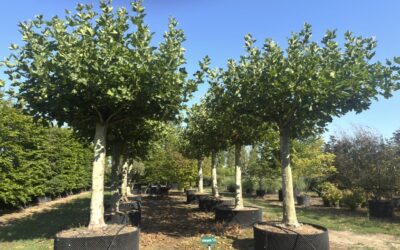
That’s why the ProfiGreen Experience Center® takes a different approach to selecting trees. Here, you can see trees and plants in realistic combinations, as if you were already walking through a landscaped garden. This helps you better assess what suits your situation.
You’ll gain immediate insight into shape, structure, and consistency. This makes identifying trees not only easier, but also more reliable.
Select and highlight yourself
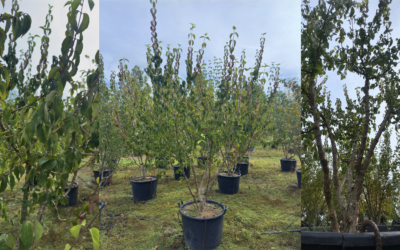
What makes the process of selecting trees here so special is that you’re actively involved. You walk through the selection and choose the trees that appeal to you. Then you can literally mark them with a ribbon.
This way, choosing a tree becomes a tangible experience. You know exactly which tree you’re selecting, and it’s reserved just for you. That provides peace of mind and prevents any surprises later on.
The role of our guidance
Expert advice with no pressure
Although choosing trees is increasingly a personal decision, advice remains valuable. Not to make the decision for you, but to help you make an informed choice.
When you make an appointment, you can browse the selection with a specialist. You’ll learn about different types, growth habits, and uses. This will help you make choices that are not only beautiful but also sustainable.
You can find more information about our services and product range here.
Practical considerations to keep in mind when making your choice
What specifically should you look for?
Anyone who is serious about finding the right trees would be wise to consider a few factors:
- The tree's final size and growth rate
- Location and light requirements
- Maintenance requirements and leaf drop
- Combining it with other plants
These points seem logical, but are often overlooked in practice. By considering them in advance, the process of selecting trees becomes much more focused.
Selecting trees for professionals and homeowners
Different needs, same approach
Selecting trees plays an important role for both homeowners and professionals. The main difference lies in the scale and the purpose.
For homeowners, choosing trees is often about creating the right atmosphere and making the most of the garden. For landscapers and designers, it’s also about efficiency, planning, and meeting client expectations.
Nevertheless, the process is essentially the same. In both cases, it comes down to making well-considered choices based on insight and experience.
Making decisions together on projects
Voor professionals biedt een omgeving zoals het Experience Center extra voordelen. Je kunt samen met klanten bomen uitkiezen, direct laten zien wat werkt en keuzes concreet maken.
This speeds up the design process and prevents misunderstandings. Clients see exactly what they’re getting, and professionals can better justify their plans.
The strength of a full-service provider
From selection to delivery, all under one roof
Delivery and quality are important factors when choosing the right tree. When the entire process is managed by a single provider, it ensures greater control and reliability.
With its own production facilities 15 hectares of open-field cultivation and 4 hectares of container cultivation Profigreen provides a solid foundation. This means you can rely on the availability and quality of our trees.
In addition, the combination of cultivation, selection, and delivery ensures that the process runs smoothly. This is not only practical, but also important for the health of the trees.
A critical look
Freedom of choice requires responsibility
Being able to choose your own trees gives you freedom, but it also requires responsibility. The more choices you have, the more important it is to be well-informed.
There is a risk that you might make a decision based on gut feeling without considering the long term. That is why guidance and information remain essential.
Not every choice is automatically the right one
Choosing the right tree also means that you sometimes have to rethink your choices. What looks nice isn’t always practical. What works now may cause problems later.
A critical mindset helps prevent mistakes and ensures that your investment pays off in the long run.
Conclusion on selecting trees
Choosing trees has evolved into a process that combines experience, knowledge, and freedom of choice. Whereas availability used to be the main consideration, the focus is now on insight and personal selection.
By taking a thoughtful approach to selecting trees, you can avoid making choices that turn out to be disappointing later on. You create an environment that not only works today but will continue to function in the future.
For those who want to carefully guide themselves through this process, Profigreen offers the opportunity to select trees on your own, mark them, and make the right choices for every project or garden with expert guidance.