Garden design isn't just for experts. Owners and developers seek control over plant choices but face challenges. Profigreen offers guidance to merge personal preferences with expert knowledge.
Anyone who takes plant design seriously will quickly discover that it’s not just about sketching based on intuition, but rather a well-thought-out process that brings together soil, space, growth, and maintenance. Profigreen plays a unique role in this. Not as an anonymous supplier, but as a substantive partner that combines expertise, product offerings, and practical experience.
Drawing plants yourself requires some behind the scenes knowledge
From idea to actionable plan
Many start garden designs with ideas and plant choices, but lack understanding of plant interactions, risking poor outcomes.
At Profigreen, we don’t view the process of designing plant arrangements in isolation from our guidance. While the design is based on your vision, it is supported in substance by professionals who work with plants on a daily basis. This means that choices are evaluated not only on aesthetic grounds, but also in terms of sustainability and practicality.
Practical experience as a silent correction
A key benefit of designing your own plant layout with guidance is that mistakes become apparent early on. Think of planting distances that are too small, poor plant combinations, or a one-sided seasonal layout. Profigreen’s expertise acts as a subtle corrective here, without overriding your own design vision.
Structure as a starting point for sketching plants by hand
Planting doesn't start with flowering
Anyone who takes on the task of designing plant layouts at Profigreen will quickly notice that the focus is on structure. Not on individual eye-catchers, but on the overall composition. That means looking first at trees, shrubs, and hedges before considering perennials.
This approach ensures that a garden or landscaping project isn’t just attractive in the spring but retains its appeal throughout the rest of the year. By focusing on structural plants, the result is a design that remains effective over the long term.
Product range as a reference tool
Profigreen’s wide range of products supports this process. Because the selection has been carefully curated, it fits seamlessly into designs where structure, sustainability, and quality are key. When selecting plants yourself, this means you’re working with varieties that have proven their worth in practice.
Multi-stemmed trees as a design tool
Description
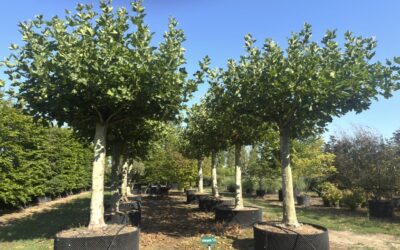
Multi-trunk trees consist of multiple trunks growing from the base and lend a natural, layered look to a design.
Use when drawing plants by hand
At Profigreen, multi-trunk trees are often used to help clients design their own planting plans. They are ideal for creating transitions between open and enclosed spaces and provide visual depth without being too overpowering.
Benefits of guided design
Thanks to their spreading habit and ecological value, multi-stemmed trees enhance biodiversity and the quality of the landscape. By providing guidance on selection, you can prevent them from becoming too large or being planted too densely over time.
Ornamental shrubs as a connecting link
Description
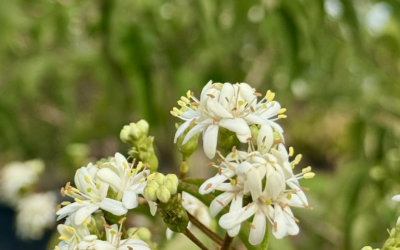
Ornamental shrubs form the middle layer in many planting plans and provide a sense of cohesion between trees and perennials.
Use when drawing plants by hand
When designing your own plant scheme with the help of Profigreen, ornamental shrubs are not chosen at random. We take into account flowering time, leaf structure, and maintenance requirements to ensure that the overall look remains balanced.
Benefits for business continuity
A well-chosen shrub arrangement ensures that a design remains attractive even without intensive maintenance. This is a key principle in the guidance provided by Profigreen.
Topiary trees as a solution to space constraints
Description
Topiary trees are pruned to maintain a specific shape and combine functionality with a sleek appearance.
Use when drawing plants by hand
In urban gardens or compact projects, Profigreen helps incorporate topiary trees into your own plant layout. They make it possible to incorporate greenery without sacrificing space.
Benefits of expert coordination
By providing guidance, you can prevent topiary trees from being placed incorrectly or creating unrealistic expectations regarding maintenance and growth.
Hedge plants as defining lines in the design
Description
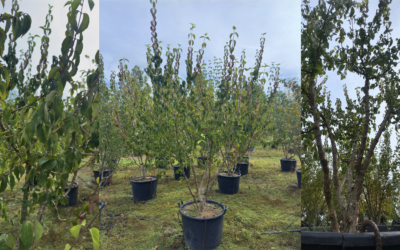
Hedge plants form green barriers and define the layout of the space.
Use when drawing plants by hand
At Profigreen, planning the layout of plants is always tied to selecting the right hedge. Not every hedge is suitable for every situation. By drawing on our expertise, we take into account the location, density, and function.
Benefits for peace and privacy
Hedges provide structure, privacy, and shelter, and form an essential foundation in many designs.
Solitary trees and perennials in harmony
Solitary trees
When designing a garden layout yourself, solitary trees are used as deliberate focal points. With proper guidance, you can prevent them from dominating the design or growing out of proportion.
Perennials
Perennials bring vitality and a sense of the seasons. At Profigreen, we focus on combinations that complement rather than compete with one another, ensuring that maintenance remains manageable.
Evergreen plants and winter scenery
Plant selection doesn’t stop at the growing season. Evergreen plants provide continuity and structure throughout the winter. With Profigreen’s guidance, they are given a permanent place in the design, tailored to their function and appearance.
Drawing plants yourself as a learning process
What sets designing plant displays at Profigreen apart is that it’s also a learning process. You gain insight into why certain choices work better than others. You carry that knowledge over to future projects, allowing you to become increasingly independent without having to reinvent the wheel.