Biodiversity is under pressure. You often hear this in news reports about disappearing insects, drying-up natural areas, and monotonous residential neighborhoods. Yet biodiversity isn’t just found in distant nature reserves it’s also present in your street, your garden, and the public spaces around you. Biodiversity is about the wealth of plants, animals, and microorganisms that together form ecosystems. That diversity is not a luxury, but a necessary condition for a resilient living environment. In this article, you’ll learn why biodiversity is so important, what role green spaces play in the city, and how you can contribute to biodiversity through conscious choices without having to become a nature conservationist.
Biodiversity in Everyday Life
What biodiversity really means
Biodiversity is often translated as “species richness,” but the concept is broader. It also encompasses genetic variation within species and the diversity of ecosystems. Biodiversity ensures that systems are resilient. If one species disappears, other species can take over its role. In a diverse environment, pollination, soil quality, and water storage remain better balanced. Biodiversity is thus a silent force that works tirelessly every day, even if you don’t always see it.
Why biodiversity is disappearing
The decline in biodiversity has multiple causes. Urbanization, intensive agriculture, and the one-sided design of public spaces play a major role. Climate change also puts pressure on biodiversity due to more extreme weather conditions. At the same time, green spaces in cities are often designed with functionality in mind. Neat lawns and monotonous hedges are easy to maintain, but do little to support biodiversity. This creates a paradox. We long for green spaces, yet we sometimes create landscapes that leave little room for biodiversity.
Biodiversity and the City
The role of urban green spaces
Cities are no longer green deserts, but biodiversity does not have a natural place there. Yet urban areas, in particular, can serve as important havens for biodiversity. Parks, gardens, green roofs, and green facades together form a network of habitats. By incorporating a variety of plant life, microhabitats are created for insects, birds, and small mammals. Biodiversity in the city also contributes to cooling, water retention, and healthier air.
Green spaces as public amenities
Green spaces are increasingly viewed as part of public infrastructure. Biodiversity plays a key role in this context, as a diverse range of vegetation is less vulnerable to diseases and pests. An avenue planted with a single tree species can be severely damaged in a single season, whereas a diverse mix of trees is more resilient. Biodiversity not only makes the city more beautiful, but also more resilient to future challenges.
Enhancing biodiversity through planting
Multi-stemmed trees as an ecological link
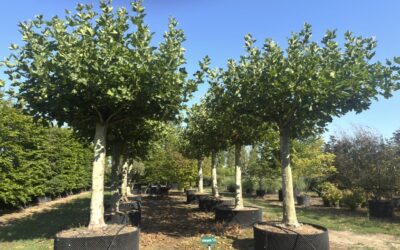
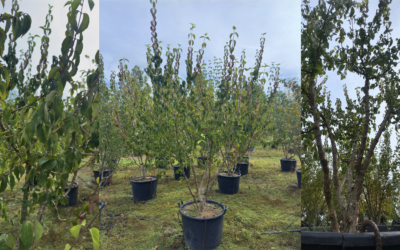
Multi-stemmed trees provide structure and shade, but also offer food and shelter for animals. Their broad growth habit creates a layered environment where biodiversity can thrive more easily. Birds find nesting sites there, and insects benefit from the variety of blooms and leaf structures. Biodiversity benefits from the natural ambiance these trees bring to a location.
Ornamental shrubs and perennials in harmony
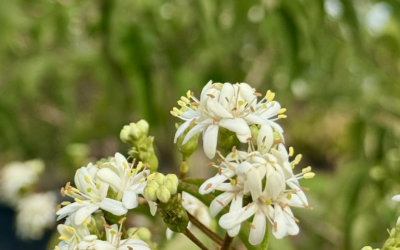
Ornamental shrubs and perennials together form the ground cover in many landscaping projects. They add color and a sense of the seasons, but are especially important for biodiversity. By selecting species with different flowering times, a continuous supply of nectar and pollen is created. This is essential for pollinators. Biodiversity isn’t fostered by a single striking plant, but by a cohesive whole that has something to offer all year round.
Ornamental trees and avenue trees in an urban setting
Topiary trees and avenue trees are often chosen for their sleek appearance and ability to create a sense of space. Biodiversity can play a role here as well. By using a variety of species and paying attention to the groundcover, you can create a habitat that is both functional and ecologically valuable. Biodiversity does not have to result in a cluttered appearance. In fact, when carefully designed, biodiversity can be an integral part of a sleek streetscape.
Biodiversity and evergreen structures
The Importance of Year-Round Greenery
Evergreen plants provide structure and shelter all year round. For biodiversity, this means a stable habitat, even in winter. Birds find protection from the cold and wind, while small animals have sheltered spots to take refuge. Biodiversity is not a seasonal project. It requires year-round attention when designing outdoor spaces.
Hedges as green corridors
Hedges are often used as property boundaries, but they can also serve as green corridors. Connecting hedges with other green spaces creates a network that allows animals to move freely. Biodiversity benefits from these connections, because isolated patches of greenery are less valuable than a connected system. A hedge is thus more than just a visual boundary; it is an ecological link.
Biodiversity in larger green spaces
Woodlands and hedgerows as buffers
Woodlands and hedgerows form robust green structures with high ecological value. They reduce noise, break up the wind, and provide habitat for a wide variety of species. Biodiversity thrives in this layered vegetation, where trees, shrubs, and herbaceous layers complement one another. In residential areas and along infrastructure, this type of vegetation can serve as a buffer between people and nature. Here, biodiversity is literally given room to thrive.
Solitary trees as anchor points
Standalone trees are eye-catchers, but they also serve as ecological anchors. They provide shade, food, and resting places. Biodiversity benefits from these striking features, especially when they are part of a larger green network. A single tree does not make a forest, but it can be an important stepping stone in an urban ecosystem.
Biodiversity requires conscious choices
Design and management go hand in hand
Biodiversity does not happen on its own. It requires thoughtful decisions in design and management. This means species diversity, attention to soil quality, and space for natural processes. Management also plays a role. Mowing or pruning too intensively can limit biodiversity. By managing in phases, shelter and food remain available at all times. Biodiversity is therefore not an end goal, but a continuous process of weighing options and making adjustments.
The role of professionals and residents
Strengthening biodiversity is not the sole responsibility of policymakers or designers. Residents also play a role by making their gardens greener and more diverse. At the same time, professionals have a responsibility to systematically incorporate biodiversity into plans for public spaces. Collaboration between municipalities, designers, and landscaping suppliers makes it possible to integrate biodiversity into projects in a realistic way.
Biodiversity as an investment in the future
Biodiversity isn’t just a buzzword it’s an investment in the quality of your living environment. A diverse outdoor space is healthier, more attractive, and better able to withstand changes in climate and land use. By taking biodiversity seriously, you lay the foundation for a resilient environment where people and nature don’t get in each other’s way, but instead reinforce one another. This requires knowledge, attention, and a long-term commitment. Those who choose biodiversity in green spaces today will reap the benefits tomorrow of a living environment that is better equipped to handle the challenges of the future.
If you want to take concrete steps to promote biodiversity in your garden or project, a supplier with a wide and carefully curated selection can help you make the right choices. At Profigreen , you’ll find a selection of trees, shrubs, and perennials that contribute to a sustainable and biodiverse outdoor design.